Many people experience anxiety when visiting the dentist, especially when facing lengthy or complex dental procedures. Modern dentistry offers several options to help patients feel more comfortable during treatment, allowing them to receive the care they need without unnecessary stress or fear. These techniques are designed to create a relaxed and positive treatment experience.
One of the most effective solutions for nervous patients is sedation dentistry, which uses carefully administered medications to promote relaxation while dental procedures are performed. Depending on the type of sedation used, patients may remain awake, feel deeply relaxed, or have little memory of the treatment afterward.
In certain situations, including treatments that may follow emergency dental care, sedation options can help patients remain calm and comfortable while dentists address urgent or extensive dental concerns.
What Is Sedation Dentistry?
Sedation dentistry involves the use of medication to help patients relax during dental procedures. Contrary to common belief, most forms of sedation do not render patients completely unconscious. Instead, they reduce anxiety, increase comfort, and make treatment more manageable.
The level of sedation can vary depending on the patient’s needs, medical history, and the complexity of the procedure. Dentists carefully evaluate each patient before recommending the most appropriate option.
The goal is to create a safe, comfortable environment where necessary dental care can be completed efficiently.
Why Patients Choose Sedation for Complex Procedures
Long dental appointments can be physically and emotionally challenging for some individuals. Sitting in a dental chair for an extended period may cause discomfort, anxiety, or restlessness.
Patients often choose sedation for procedures such as:
- Multiple tooth extractions
- Dental implant placement
- Full-mouth restorations
- Extensive cosmetic treatments
- Root canal therapy
- Periodontal procedures
Sedation can help patients remain relaxed throughout treatment, allowing dentists to perform procedures more effectively while minimizing patient stress.
Types of Sedation Used in Dentistry
Several sedation options are available, each offering different levels of relaxation.
Nitrous Oxide Sedation
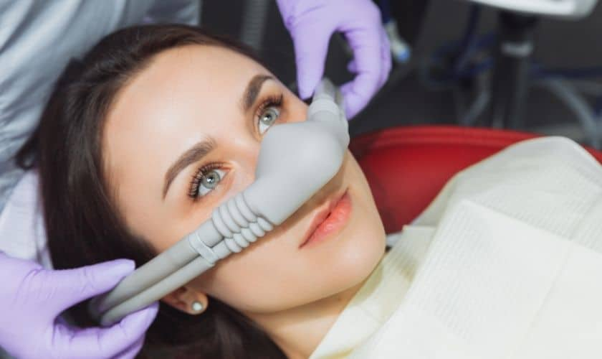
Often referred to as laughing gas, nitrous oxide is inhaled through a small mask placed over the nose. It produces a calm and relaxed feeling while allowing patients to remain fully responsive.
The effects wear off quickly after treatment, enabling most patients to resume normal activities soon afterward.
Oral Conscious Sedation
Oral sedation involves taking prescribed medication before the appointment. This option creates a deeper sense of relaxation and may cause drowsiness while patients remain awake.
Many individuals have limited recollection of the procedure, making it a popular choice for patients with dental anxiety.
Intravenous (IV) Sedation
IV sedation provides a deeper level of relaxation and allows the dental team to adjust medication levels throughout treatment.
Patients often feel as though the procedure passes quickly and may remember very little afterward. This option is frequently recommended for lengthy or complex treatments.
Benefits of Sedation During Dental Procedures
Sedation offers numerous advantages for both patients and dental professionals.
Some key benefits include:
- Reduced anxiety and fear
- Greater comfort during treatment
- Improved ability to sit through lengthy procedures
- Less awareness of treatment-related sounds and sensations
- Enhanced cooperation during complex procedures
- More efficient treatment completion
These benefits can make a significant difference for patients who have previously avoided dental care due to fear or discomfort.
Who May Benefit from Sedation?
Sedation can be beneficial for a wide range of patients, not just those with severe dental anxiety.
Individuals who may benefit include:
- Patients with dental phobia
- People undergoing extensive treatment
- Individuals with sensitive gag reflexes
- Patients with difficulty sitting still
- Those with low pain tolerance
- Patients who have had traumatic dental experiences
A thorough consultation helps determine whether sedation is an appropriate option for each individual’s circumstances.
Safety Considerations and Patient Evaluation
Patient safety is always the highest priority when sedation is used. Before recommending any sedation method, dentists carefully review medical history, current medications, allergies, and overall health status.
During treatment, trained professionals monitor vital signs and patient comfort to ensure safety throughout the procedure.
Following recommended guidelines and working with experienced dental professionals helps minimize risks and supports successful treatment outcomes.
What to Expect Before and After Treatment
Preparation requirements vary depending on the type of sedation selected. Patients may receive instructions regarding eating, drinking, medications, and transportation arrangements before their appointment.
After treatment, recovery experiences differ based on the sedation method used. Some patients recover quickly, while others may require additional rest and assistance for the remainder of the day.
Following all post-treatment instructions helps ensure a smooth recovery and optimal healing.
Addressing Dental Anxiety Through Sedation
Dental anxiety affects millions of people and can lead to delayed treatment, worsening oral health, and avoidable complications. Sedation provides an effective solution that allows patients to receive necessary care while feeling more comfortable.
For many individuals, a positive experience with sedation can help rebuild confidence in dental treatment and encourage better long-term oral healthcare habits.
By reducing fear and discomfort, sedation often transforms the dental experience from something patients dread into something they can manage with greater ease.
The Role of Sedation in Comprehensive Dental Care
Sedation plays an important role in modern dentistry by making complex treatments more accessible and comfortable. It allows dentists to complete extensive procedures efficiently while improving the patient experience.
Whether treatment involves restorative, cosmetic, surgical, or periodontal care, sedation can help ensure that patients receive the care they need without unnecessary stress or discomfort.
Conclusion
Dental sedation has become a valuable tool for helping patients undergo long or complex dental procedures with greater comfort and confidence. By reducing anxiety, enhancing relaxation, and improving treatment efficiency, sedation allows individuals to receive essential dental care in a more positive environment.
For patients who feel nervous about extensive treatment or who require multiple procedures, sedation may provide the comfort and reassurance needed to achieve and maintain a healthy smile.