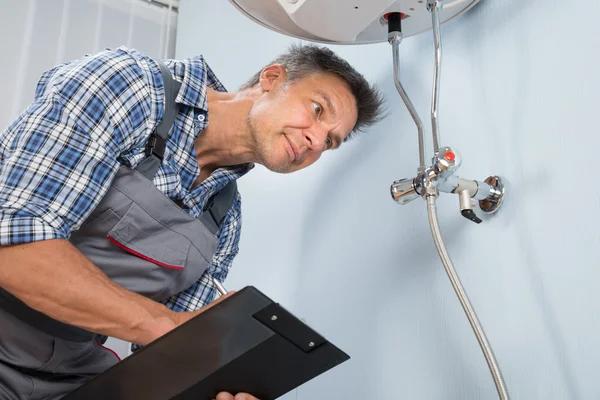
Regular home plumbing inspections are essential for maintaining a functional and efficient water system while preventing costly repairs. By conducting routine checks, homeowners can identify minor issues before they escalate into major problems. One of the simplest yet most effective ways to start is by examining visible pipes under sinks and around appliances for signs of leaks, corrosion, or moisture buildup. Early detection of drips or dampness can save money by avoiding water damage and mold growth, which often require expensive remediation.
Another important area to inspect is your water heater. Checking the temperature setting ensures it is not too high, which wastes energy and shortens the appliance’s lifespan. Flushing the tank periodically removes sediment buildup that reduces efficiency and may cause premature failure. Inspecting connections for rust or leaks helps maintain safe operation and prevents unexpected breakdowns that could result in costly emergency repairs.
Drainage systems also deserve close attention during home plumbing inspections. Slow drains often indicate blockages caused by hair, grease, or debris accumulation inside pipes. Using a drain snake or eco-friendly cleaners can clear minor clogs without damaging plumbing components. Avoid harsh chemicals as they might erode pipe materials over time leading to leaks or bursts requiring professional intervention.
Checking additional information water pressure throughout your home provides insight into potential issues with valves or supply lines. Low pressure may signal hidden leaks whereas excessively high pressure stresses pipes increasing the risk of breaks and water waste. Installing a pressure regulator where needed maintains optimal flow rates extending pipe life and reducing utility bills.
Inspecting toilets regularly helps detect silent leaks that waste significant amounts of water unnoticed on monthly bills. Listening for constant running sounds after flushing indicates faulty flapper valves needing replacement-a simple fix that conserves resources effectively.
Faucets should be examined for dripping when turned off completely since even small drips accumulate large volumes over time causing unnecessary expenses on water usage charges as well as wear on fixtures themselves.
Outdoor plumbing elements like hose bibs must be winterized properly in colder climates to prevent freezing damage which leads to burst pipes requiring expensive repairs during thaw season.
Overall, scheduling periodic comprehensive inspections either personally using basic knowledge tools or hiring licensed plumbers ensures all components work efficiently together minimizing risks associated with aging infrastructure failures while saving money through timely maintenance rather than costly replacements later on.