Category: Health

  • How Relaxation-Focused Products Fit Into Modern Wellness Lifestyles

    How Relaxation-Focused Products Fit Into Modern Wellness Lifestyles

    In today’s fast-paced world, the pursuit of wellness has become a central theme in many people’s lives. As stress levels rise due to demanding work schedules, digital overload, and urban living pressures, individuals are increasingly seeking ways to restore balance and tranquility. This quest for equilibrium has paved the way for relaxation-focused products to take center stage in modern wellness lifestyles.

    Relaxation-focused products encompass a wide range of items designed to promote calmness and reduce stress. From essential oils and aromatherapy diffusers to weighted blankets and sound machines, these products cater to various preferences and needs. The appeal lies in their ability to provide instant relief from daily stresses while seamlessly integrating into one’s lifestyle.

    One key factor driving learn more on the website popularity of these products is their accessibility. Unlike traditional spa treatments or therapy sessions that may require significant time or financial investment, relaxation-focused products offer an affordable and convenient alternative. A few drops of lavender oil can transform a hectic evening into a soothing experience; similarly, slipping under a weighted blanket can mimic the comforting sensation of being held.

    Moreover, technology has played an instrumental role in enhancing these offerings. Smart devices now allow users to customize their relaxation experiences with features like programmable lighting or app-controlled soundscapes. These innovations enable individuals to create personalized environments conducive to relaxation without leaving their homes.

    The integration of relaxation-focused products into daily routines is also reflective of broader trends within the wellness industry that emphasize holistic approaches over quick fixes. Consumers are becoming more mindful about self-care practices that nurture both physical health and mental well-being. Incorporating elements such as meditation apps alongside tangible items like yoga mats further underscores this shift towards comprehensive self-care regimens.

  • Sedation Dentistry for Long or Complex Procedures

    Sedation Dentistry for Long or Complex Procedures

    Many people experience anxiety when visiting the dentist, especially when facing lengthy or complex dental procedures. Modern dentistry offers several options to help patients feel more comfortable during treatment, allowing them to receive the care they need without unnecessary stress or fear. These techniques are designed to create a relaxed and positive treatment experience.

    One of the most effective solutions for nervous patients is sedation dentistry, which uses carefully administered medications to promote relaxation while dental procedures are performed. Depending on the type of sedation used, patients may remain awake, feel deeply relaxed, or have little memory of the treatment afterward.

    In certain situations, including treatments that may follow emergency dental care, sedation options can help patients remain calm and comfortable while dentists address urgent or extensive dental concerns.

    What Is Sedation Dentistry?

    Sedation dentistry involves the use of medication to help patients relax during dental procedures. Contrary to common belief, most forms of sedation do not render patients completely unconscious. Instead, they reduce anxiety, increase comfort, and make treatment more manageable.

    The level of sedation can vary depending on the patient’s needs, medical history, and the complexity of the procedure. Dentists carefully evaluate each patient before recommending the most appropriate option.

    The goal is to create a safe, comfortable environment where necessary dental care can be completed efficiently.

    Why Patients Choose Sedation for Complex Procedures

    Long dental appointments can be physically and emotionally challenging for some individuals. Sitting in a dental chair for an extended period may cause discomfort, anxiety, or restlessness.

    Patients often choose sedation for procedures such as:

    • Multiple tooth extractions
    • Dental implant placement
    • Full-mouth restorations
    • Extensive cosmetic treatments
    • Root canal therapy
    • Periodontal procedures

    Sedation can help patients remain relaxed throughout treatment, allowing dentists to perform procedures more effectively while minimizing patient stress.

    Types of Sedation Used in Dentistry

    Several sedation options are available, each offering different levels of relaxation.

    Nitrous Oxide Sedation

    Often referred to as laughing gas, nitrous oxide is inhaled through a small mask placed over the nose. It produces a calm and relaxed feeling while allowing patients to remain fully responsive.

    The effects wear off quickly after treatment, enabling most patients to resume normal activities soon afterward.

    Oral Conscious Sedation

    Oral sedation involves taking prescribed medication before the appointment. This option creates a deeper sense of relaxation and may cause drowsiness while patients remain awake.

    Many individuals have limited recollection of the procedure, making it a popular choice for patients with dental anxiety.

    Intravenous (IV) Sedation

    IV sedation provides a deeper level of relaxation and allows the dental team to adjust medication levels throughout treatment.

    Patients often feel as though the procedure passes quickly and may remember very little afterward. This option is frequently recommended for lengthy or complex treatments.

    Benefits of Sedation During Dental Procedures

    Sedation offers numerous advantages for both patients and dental professionals.

    Some key benefits include:

    • Reduced anxiety and fear
    • Greater comfort during treatment
    • Improved ability to sit through lengthy procedures
    • Less awareness of treatment-related sounds and sensations
    • Enhanced cooperation during complex procedures
    • More efficient treatment completion

    These benefits can make a significant difference for patients who have previously avoided dental care due to fear or discomfort.

    Who May Benefit from Sedation?

    Sedation can be beneficial for a wide range of patients, not just those with severe dental anxiety.

    Individuals who may benefit include:

    • Patients with dental phobia
    • People undergoing extensive treatment
    • Individuals with sensitive gag reflexes
    • Patients with difficulty sitting still
    • Those with low pain tolerance
    • Patients who have had traumatic dental experiences

    A thorough consultation helps determine whether sedation is an appropriate option for each individual’s circumstances.

    Safety Considerations and Patient Evaluation

    Patient safety is always the highest priority when sedation is used. Before recommending any sedation method, dentists carefully review medical history, current medications, allergies, and overall health status.

    During treatment, trained professionals monitor vital signs and patient comfort to ensure safety throughout the procedure.

    Following recommended guidelines and working with experienced dental professionals helps minimize risks and supports successful treatment outcomes.

    What to Expect Before and After Treatment

    Preparation requirements vary depending on the type of sedation selected. Patients may receive instructions regarding eating, drinking, medications, and transportation arrangements before their appointment.

    After treatment, recovery experiences differ based on the sedation method used. Some patients recover quickly, while others may require additional rest and assistance for the remainder of the day.

    Following all post-treatment instructions helps ensure a smooth recovery and optimal healing.

    Addressing Dental Anxiety Through Sedation

    Dental anxiety affects millions of people and can lead to delayed treatment, worsening oral health, and avoidable complications. Sedation provides an effective solution that allows patients to receive necessary care while feeling more comfortable.

    For many individuals, a positive experience with sedation can help rebuild confidence in dental treatment and encourage better long-term oral healthcare habits.

    By reducing fear and discomfort, sedation often transforms the dental experience from something patients dread into something they can manage with greater ease.

    The Role of Sedation in Comprehensive Dental Care

    Sedation plays an important role in modern dentistry by making complex treatments more accessible and comfortable. It allows dentists to complete extensive procedures efficiently while improving the patient experience.

    Whether treatment involves restorative, cosmetic, surgical, or periodontal care, sedation can help ensure that patients receive the care they need without unnecessary stress or discomfort.

    Conclusion

    Dental sedation has become a valuable tool for helping patients undergo long or complex dental procedures with greater comfort and confidence. By reducing anxiety, enhancing relaxation, and improving treatment efficiency, sedation allows individuals to receive essential dental care in a more positive environment.

    For patients who feel nervous about extensive treatment or who require multiple procedures, sedation may provide the comfort and reassurance needed to achieve and maintain a healthy smile.

  • Top Expert Picks: Best Books on Diabetes Worth Reading This Year

    Top Expert Picks: Best Books on Diabetes Worth Reading This Year

    Diabetes is a chronic condition that affects millions of people worldwide, making education and awareness essential for effective management and prevention. With the vast amount of information available, it can be challenging to identify reliable resources that provide accurate, practical, and up-to-date knowledge about diabetes. Fortunately, experts in the field have recommended several outstanding books this year that stand out for their comprehensive coverage, accessibility, and evidence-based insights.

    One of the most highly regarded books on diabetes is “Dr. Neal Barnard’s Program for Reversing Diabetes,” which offers a detailed plan centered around plant-based nutrition. Dr. Barnard combines scientific research with real-life success stories to demonstrate how dietary changes can significantly improve blood sugar levels and overall health. This book is especially useful for those seeking natural approaches alongside conventional treatments.

    Another expert favorite is “The Diabetes Code” by Dr. Jason Fung, who challenges traditional views best books on diabetes management by emphasizing the role of insulin resistance and intermittent fasting. His approach has gained traction among healthcare professionals due to its innovative perspective on addressing root causes rather than just symptoms. The book provides readers with actionable strategies supported by clinical studies that aim to reduce or even reverse type 2 diabetes.

    For individuals looking for a more holistic understanding of living with diabetes, “Sugar Surfing” by Drs. Stephen Ponder and Kevin McMahon presents an engaging guide focused on real-time glucose monitoring technology combined with lifestyle adjustments. It empowers readers to better predict glucose fluctuations through mindful observation rather than rigid schedules or formulas-making it particularly valuable for those using continuous glucose monitors (CGMs).

    In addition to these titles focused primarily on medical management, “Bright Spots & Landmines” by Adam Brown stands out as an encouraging resource filled with practical tips gleaned from thousands of people managing type 1 and type 2 diabetes successfully every day. The author blends personal experience with data-driven advice aimed at identifying what works well (“bright spots”) while avoiding common pitfalls (“landmines”).

    Finally, “Think Like a Pancreas” by Gary Scheiner remains an indispensable manual for anyone using insulin therapy regardless of their type of diabetes diagnosis. It explains complex concepts in clear language while providing step-by-step guidance on dosing adjustments based on various factors like meals or exercise.

    These expert-recommended books collectively cover diverse aspects-from nutritional interventions and technological advancements to psychological resilience-offering invaluable support whether you are newly diagnosed or have been managing diabetes for years. By investing time in reading these thoughtfully curated works this year, individuals can gain empowerment through knowledge that promotes healthier living and improved outcomes in their journey with diabetes care.

  • How to Support a Loved One Going Through Speech Therapy

    How to Support a Loved One Going Through Speech Therapy

    When a loved one begins speech therapy, it can be both a hopeful and challenging time for the entire family. Whether the therapy is for a child with speech delays, an adult recovering from a stroke, or someone managing a communication disorder, the journey requires patience, encouragement, and understanding from those around them.

    Many families seek guidance from experienced speech therapists in Gotri – Vadodara when they notice communication difficulties affecting daily life. While professional intervention is essential, the support provided at home often plays an equally important role in helping individuals make meaningful progress.

    Families frequently turn to healthcare institutions that offer multidisciplinary care, including speech and hearing services. Choosing the best ENT hospital in Vadodara can provide access to specialized evaluation, diagnosis, and therapy programs that address the underlying causes of speech and communication challenges.

    Learn About the Specific Communication Challenge

    One of the most valuable ways to support someone undergoing speech therapy is to understand their specific condition. Speech and language disorders vary widely, and each individual faces unique challenges.

    Some people may struggle with articulation, making it difficult to pronounce certain sounds correctly. Others may experience language disorders that affect their ability to understand or express thoughts. Conditions such as stuttering, voice disorders, hearing loss, autism spectrum disorder, stroke-related communication difficulties, and neurological conditions can all require speech therapy.

    Taking time to learn about the condition helps family members develop realistic expectations and communicate more effectively. Understanding the therapy goals also allows loved ones to provide meaningful support without creating unnecessary pressure.

    For example, a parent whose child is working on specific speech sounds can better reinforce therapy exercises at home. Similarly, a spouse supporting a stroke survivor can learn communication techniques that reduce frustration during conversations.

    Create a Positive and Encouraging Environment

    Progress in speech therapy often happens gradually. Some days may bring noticeable improvements, while others may seem challenging. Maintaining a positive environment is essential for long-term success.

    Encouragement should focus on effort rather than perfection. Celebrate small achievements, such as correctly pronouncing a difficult word, speaking more confidently in social situations, or successfully completing a therapy exercise.

    Avoid correcting every mistake during casual conversations. Constant correction can increase anxiety and reduce confidence. Instead, model the correct pronunciation or communication pattern naturally within the conversation.

    For children, creating a supportive atmosphere can make therapy feel enjoyable rather than stressful. Praise, games, storytelling, and interactive activities can help reinforce skills while keeping motivation high.

    Participate in Home Practice Activities

    Speech therapy sessions are only one part of the treatment process. Consistent practice between sessions is often necessary to achieve meaningful improvement.

    Therapists frequently provide exercises and activities that can be completed at home. These assignments are designed to reinforce skills learned during therapy and help individuals apply them in real-life situations.

    Family involvement can make home practice more effective and enjoyable. Depending on the therapy goals, support may include:

    • Reading together and discussing stories.
    • Practicing specific sounds or words.
    • Engaging in conversation exercises.
    • Playing language-development games.
    • Encouraging verbal communication during daily activities.
    • Following therapist-recommended routines.

    A parent who spends fifteen minutes each day practicing speech exercises with a child may notice greater consistency and faster progress. Similarly, family members helping an adult practice communication strategies can improve confidence and independence.

    Be a Patient and Active Listener

    Communication challenges can sometimes make conversations longer or more difficult. As a supportive family member, becoming an active listener can make a tremendous difference.

    Allow your loved one enough time to express their thoughts without interrupting or finishing sentences for them. While it may be tempting to help, doing so can sometimes reduce opportunities for practice and independence.

    Maintain eye contact and show genuine interest in what they are saying. Simple gestures such as nodding, smiling, and responding thoughtfully can help build confidence.

    When misunderstandings occur, ask clarifying questions respectfully rather than pretending to understand. This approach encourages meaningful communication and reduces frustration for both parties.

    Patience is particularly important when supporting someone recovering from neurological conditions. Communication abilities may improve gradually, and every successful interaction contributes to the rehabilitation process.

    Help Build Confidence in Everyday Situations

    Many individuals undergoing speech therapy feel self-conscious about their communication abilities. Fear of making mistakes may lead them to avoid conversations, social gatherings, or public speaking opportunities.

    Loved ones can help by creating safe opportunities for communication. Encourage participation in family discussions, social events, and daily interactions without placing pressure on performance.

    For children, confidence can be strengthened through activities such as storytelling, reading aloud, or participating in school discussions. Positive reinforcement helps them focus on communication rather than fear of mistakes.

    Adults may benefit from practicing conversations before important events, such as work meetings or social gatherings. Gradually increasing communication challenges can help build resilience and self-assurance.

    One family shared how their teenage son initially avoided speaking in class because of a stuttering disorder. By consistently encouraging him, celebrating small victories, and working closely with his therapist, he eventually became comfortable participating in classroom presentations.

    Maintain Open Communication with the Therapist

    Speech therapy is most effective when there is collaboration between the therapist and the family. Regular communication helps ensure that everyone is working toward the same goals.

    Attend appointments whenever possible and ask questions about therapy objectives, progress, and recommended home activities. Understanding the treatment plan enables family members to provide more targeted support.

    Share observations from home, school, or work environments. These insights can help therapists adjust strategies and address challenges that may not be apparent during therapy sessions.

    If concerns arise regarding progress, discuss them openly with the therapist. Adjustments to treatment plans are sometimes necessary, and ongoing communication helps ensure the best possible outcomes.

    Take Care of Emotional Well-Being

    Speech and communication challenges can affect emotional health as much as communication itself. Individuals may experience frustration, embarrassment, anxiety, or reduced self-confidence.

    Providing emotional support is just as important as assisting with therapy exercises. Encourage open conversations about feelings and acknowledge the challenges they may be facing.

    Remind your loved one that progress takes time and that setbacks are a normal part of the learning process. Emphasize strengths, achievements, and personal growth rather than focusing solely on therapy outcomes.

    Caregivers and family members should also prioritize their own well-being. Supporting someone through therapy can be demanding, and maintaining personal health allows you to provide more effective support over the long term.

    Conclusion

    Supporting a loved one through speech therapy requires patience, empathy, consistency, and active involvement. While professional therapy provides the foundation for improvement, family encouragement often becomes the driving force behind lasting success.

    By understanding the communication challenge, creating a positive environment, participating in home practice, listening patiently, building confidence, collaborating with therapists, and supporting emotional well-being, families can make a meaningful difference in the therapy journey.

    Every word spoken, every milestone achieved, and every moment of encouragement contribute to greater confidence and improved communication. With the right support system, individuals undergoing speech therapy can develop the skills they need to communicate more effectively and enjoy a higher quality of life.


  • Top Benefits of Using Ghee Moisturizer for Daily Facial Skincare

    Top Benefits of Using Ghee Moisturizer for Daily Facial Skincare

    Healthy skin depends heavily on consistent hydration and nourishment. Daily exposure to pollution, sunlight, dry air, stress, and harsh skincare products can weaken the skin barrier, leading to dryness, irritation, and premature aging. We believe that maintaining a proper moisturizing routine is one of the most important steps in preserving soft, healthy, and radiant skin over time.

    A well-formulated ghee moisturizer can also function as a soothing cooling cream for face, helping calm dryness, irritation, and environmental stress while delivering long-lasting comfort throughout the day. Its rich texture and nourishing properties make it especially beneficial for individuals seeking a natural approach to daily facial care.

    Many skincare enthusiasts now consider natural formulations like 100 times washed ghee cream because they provide nourishment while supporting the skin’s natural protective barrier. Traditional skincare ingredients are gaining popularity for their ability to hydrate deeply without relying on overly aggressive synthetic compounds.

    Understanding the Power of Ghee in Skincare

    Ghee has been used for centuries in traditional wellness and beauty practices due to its deeply nourishing qualities. Derived from clarified butter, ghee contains beneficial fats, vitamins, and antioxidants that support healthy skin function.

    Rich Source of Essential Nutrients

    Ghee naturally contains:

    • Vitamin A
    • Vitamin E
    • Healthy fatty acids
    • Antioxidants

    These nutrients help support skin repair, hydration, and protection against environmental damage.

    Natural Skin Barrier Support

    The skin barrier protects against moisture loss and external irritants. Ghee helps strengthen this barrier by replenishing natural lipids that keep the skin soft and resilient.

    Deep Moisture Retention

    Unlike lightweight moisturizers that may evaporate quickly, ghee forms a protective layer that helps retain hydration for extended periods.

    Benefit 1: Provides Long-Lasting Hydration

    One of the most significant advantages of using ghee moisturizer daily is its ability to provide deep and long-lasting hydration.

    Prevents Dryness and Tightness

    Daily facial exposure to environmental stress can strip away natural oils, leaving the skin feeling rough and dehydrated. Ghee helps restore moisture balance and prevent:

    • Dry patches
    • Tightness
    • Flakiness
    • Rough texture

    Supports Soft and Smooth Skin

    Consistent hydration improves overall skin texture, making the face appear softer, smoother, and healthier over time.

    Ideal for Multiple Skin Types

    Although especially beneficial for dry skin, ghee moisturizers can also support combination and sensitive skin when used appropriately.

    Benefit 2: Strengthens the Skin Barrier

    A compromised skin barrier can lead to increased sensitivity, irritation, and moisture loss. Daily use of a nourishing moisturizer helps reinforce the skin’s natural defenses.

    Protection Against Environmental Damage

    The skin faces daily exposure to:

    • Pollution
    • UV rays
    • Dust
    • Changing weather conditions

    Ghee helps create a protective layer that reduces environmental stress on the skin.

    Supports Skin Recovery

    Healthy fats and nutrients found in ghee support the repair of damaged or weakened skin, promoting a healthier complexion over time.

    Benefit 3: Helps Soothe Sensitive and Irritated Skin

    Many people experience redness, irritation, or sensitivity due to harsh skincare products or environmental conditions. Ghee moisturizers are often appreciated for their calming properties.

    Reduces Discomfort

    Regular application can help soothe:

    • Mild redness
    • Dry irritation
    • Seasonal sensitivity
    • Skin tightness

    Gentle on the Skin

    Natural moisturizers are often preferred by individuals looking for gentler skincare alternatives with fewer harsh ingredients.

    Comfort During Seasonal Changes

    Changing weather conditions can trigger skin discomfort. Ghee-based skincare products help maintain balance and hydration throughout seasonal transitions.

    Benefit 4: Supports a Healthy Natural Glow

    Hydrated skin naturally appears brighter and healthier. Daily moisturizing helps improve overall skin appearance by supporting smoothness and elasticity.

    Enhances Skin Radiance

    Well-moisturized skin reflects light more evenly, contributing to a naturally radiant complexion.

    Improves Skin Texture

    Dryness can make the skin appear dull and uneven. Consistent nourishment helps improve softness and create a smoother appearance.

    Supports Elasticity

    Healthy skin hydration contributes to better elasticity and a firmer-looking complexion.

    Benefit 5: Helps Reduce the Appearance of Fine Lines

    Hydration plays a crucial role in maintaining youthful-looking skin. Dryness can make fine lines appear more prominent, especially around the eyes and mouth.

    Keeps Skin Plump and Smooth

    Moisturized skin appears fuller and healthier, helping minimize the visible effects of dehydration-related fine lines.

    Antioxidant Protection

    The antioxidants naturally present in ghee help protect the skin from oxidative stress caused by environmental factors.

    Supports Long-Term Skin Health

    Daily nourishment helps maintain skin resilience and supports healthier aging over time.

    Benefit 6: Complements a Minimalist Skincare Routine

    Many people are moving toward simpler skincare routines focused on gentle, nourishing ingredients rather than excessive product layering.

    Multi-Purpose Skincare Benefits

    A quality ghee moisturizer may help:

    • Hydrate the skin
    • Protect the skin barrier
    • Calm irritation
    • Improve softness

    This versatility makes it a practical addition to a streamlined routine.

    Works Well with Other Products

    Ghee moisturizers can complement:

    • Gentle cleansers
    • Serums
    • Sunscreens
    • Night treatments

    when incorporated thoughtfully into a daily regimen.

    Benefit 7: Ideal for Daily Facial Massage

    Facial massage can improve circulation and help skincare products absorb more effectively. The rich texture of ghee moisturizer makes it suitable for gentle massage techniques.

    Promotes Relaxation

    Daily massage may help reduce facial tension while creating a calming skincare ritual.

    Supports Better Product Absorption

    Gentle massage allows nutrients and moisture to penetrate more evenly across the skin.

    Encourages Healthy Circulation

    Improved circulation can contribute to a refreshed and revitalized appearance.

    How to Use Ghee Moisturizer Effectively

    Daily application techniques can influence how well the moisturizer performs.

    Apply After Cleansing

    Clean skin absorbs moisture more effectively. Applying moisturizer immediately after washing helps lock in hydration.

    Use Small Quantities

    A small amount is often sufficient because rich moisturizers spread easily across the skin.

    Massage Gently

    Using upward circular motions helps distribute the product evenly without excessive friction.

    Adjust According to Weather

    Some individuals may prefer lighter application during warmer months and slightly richer application during colder seasons.

    Choosing the Right Ghee Moisturizer

    Not all skincare formulations are the same. Selecting a high-quality product is important for achieving the best results.

    Look for Clean Ingredients

    Products with minimal harsh chemicals and balanced formulations are generally gentler on the skin.

    Check for Complementary Ingredients

    Ingredients such as:

    • Aloe vera
    • Rose extracts
    • Saffron
    • Honey
    • Herbal oils

    can enhance hydration and soothing effects.

    Consider Skin Type Compatibility

    Understanding individual skin needs helps ensure better product performance and comfort.

    The Growing Popularity of Natural Facial Care

    Consumers today are increasingly seeking skincare products inspired by traditional wellness practices and natural ingredients.

    Preference for Holistic Skincare

    Natural moisturizers are often associated with:

    • Gentle hydration
    • Skin nourishment
    • Reduced reliance on harsh chemicals

    Focus on Skin Barrier Health

    Modern skincare trends increasingly emphasize protecting and repairing the skin barrier rather than over-exfoliating or aggressively treating the skin.

    Traditional Ingredients in Modern Formulations

    Ancient skincare ingredients are now being incorporated into modern formulations that combine traditional wisdom with contemporary skincare science.

    Why Ghee Moisturizer Deserves a Place in Daily Skincare

    Daily facial care requires consistent hydration, nourishment, and protection to maintain healthy, resilient skin. Ghee moisturizer offers a rich combination of moisture retention, barrier support, soothing care, and skin-softening benefits that make it highly effective for everyday use.

    From improving hydration and supporting skin repair to enhancing natural radiance and reducing dryness, ghee-based skincare products provide versatile benefits suitable for a wide range of skin types. Their nourishing texture and traditional roots continue to make them a valuable addition to modern skincare routines.

    By incorporating a quality moisturizer into a consistent daily routine, individuals can support long-term skin health while maintaining a smooth, comfortable, and naturally glowing complexion throughout the year.

  • How to Prepare for Your Root Canal Appointment

    How to Prepare for Your Root Canal Appointment

    Preparing for a root canal appointment is essential to ensure a smooth, comfortable, and successful dental experience. A root canal is a highly effective procedure designed to eliminate infection, relieve pain, and preserve your natural tooth. While the treatment itself is straightforward, proper preparation can significantly reduce anxiety and help you recover more quickly.

    When visiting a Lake Mary dentist, we often emphasize that being informed and ready for the procedure makes a noticeable difference in both comfort and outcome. Patients who take the time to prepare tend to experience less stress and greater confidence going into their appointment.

    If you are scheduled for a root canal in Lake Mary, understanding what to expect and how to get ready can transform your experience from uncertain to manageable. With the right steps, you can approach your treatment calmly and ensure optimal results.

    What to Expect Before the Procedure

    Before your root canal appointment, we conduct a thorough examination to assess the condition of the affected tooth. This typically includes digital X-rays to determine the extent of infection and to map the root canals accurately.

    We also review your medical history to identify any underlying conditions or medications that may influence the procedure. Transparency at this stage is critical. Sharing complete information allows us to tailor the treatment to your specific needs.

    In many cases, we explain the entire process in advance so you know exactly what will happen. This includes details about anesthesia, the duration of the procedure, and post-treatment care. Understanding these elements helps eliminate unnecessary fear and builds trust in the process.

    Managing Anxiety Before Your Appointment

    Dental anxiety is common, especially when it comes to procedures like root canals. However, modern dentistry has made this treatment virtually painless, and there are several ways to ease your nerves beforehand.

    We recommend focusing on relaxation techniques such as deep breathing or meditation in the days leading up to your appointment. Listening to calming music or engaging in light physical activity can also help reduce stress.

    If anxiety is severe, discussing sedation options in advance can provide additional comfort. Knowing that pain management and relaxation methods are available often reassures patients and helps them feel more in control.

    Eating and Drinking Guidelines

    One of the most practical aspects of preparation involves your diet before the procedure. In most cases, we advise patients to eat a light, balanced meal a few hours before their appointment. This helps maintain stable blood sugar levels and prevents discomfort during treatment.

    Avoid consuming alcohol or excessive caffeine prior to your visit, as these can increase sensitivity and anxiety. Staying hydrated is important, but it is best to follow any specific instructions provided based on your treatment plan.

    If sedation is part of your procedure, additional dietary restrictions may apply. In such cases, we provide clear guidelines to ensure your safety and comfort.

    Medication and Health Considerations

    Proper management of medications is a crucial part of preparing for your root canal. We carefully review any prescriptions you are currently taking and may provide instructions on whether to continue or temporarily adjust them.

    For some patients, antibiotics may be prescribed before the procedure to control infection. It is important to follow these instructions precisely to ensure the treatment is as effective as possible.

    We also recommend informing us of any allergies, particularly to medications or anesthesia. This allows us to select the safest and most suitable options for your care.

    Planning Your Day Around the Appointment

    Scheduling your day thoughtfully can make a significant difference in your overall experience. We suggest allowing enough time for the procedure without feeling rushed. Root canals typically take between 60 and 90 minutes, depending on the complexity.

    It is advisable to avoid scheduling strenuous activities immediately after your appointment. While most patients can resume normal routines quickly, giving yourself time to rest ensures a smoother recovery.

    If sedation is used, arranging transportation in advance is essential. Having someone accompany you provides added safety and peace of mind.

    What to Wear and Bring

    Comfort plays an important role in your experience during the procedure. Wearing loose, comfortable clothing helps you relax while seated for an extended period.

    We also recommend bringing essential items such as:

    • A valid ID and insurance information
    • A list of current medications
    • Headphones or music for relaxation

    These small preparations contribute to a more comfortable and stress-free appointment.

    Oral Hygiene Before the Procedure

    Maintaining proper oral hygiene before your root canal is essential. Brushing and flossing thoroughly before your appointment helps reduce bacteria in the mouth and creates a cleaner environment for the procedure.

    We may also recommend using an antibacterial mouthwash to further minimize the risk of infection. A clean oral environment supports better healing and enhances the effectiveness of the treatment.

    Understanding the Procedure Itself

    Knowing what happens during a root canal can significantly ease concerns. The procedure begins with local anesthesia to numb the area completely, ensuring you feel no pain.

    We then create a small opening in the tooth to access the infected pulp. The damaged tissue is carefully removed, and the root canals are cleaned, disinfected, and shaped. Finally, the space is filled and sealed to prevent future infection.

    In many cases, a crown is placed later to restore the tooth’s strength and function. This step ensures long-term durability and protection.

    Post-Procedure Preparation and Recovery

    Preparing for what happens after your root canal is just as important as preparing for the procedure itself. Mild discomfort or sensitivity is normal and can be managed with over-the-counter pain relief or prescribed medication.

    We advise patients to avoid chewing on the treated tooth until it is fully restored. Soft foods are recommended for the first few days to prevent unnecessary pressure.

    Maintaining excellent oral hygiene and attending follow-up appointments ensures proper healing and long-term success.

    Tips for a Smooth and Comfortable Experience

    A successful root canal experience often comes down to preparation and mindset. Staying informed, following instructions, and maintaining open communication with your dental team are key factors.

    Simple habits such as getting adequate rest the night before, arriving early to your appointment, and keeping a positive outlook can make a significant difference. Confidence in the process helps create a more relaxed and manageable experience.

    Long-Term Benefits of Proper Preparation

    Taking the time to prepare for your root canal appointment offers long-term advantages. Not only does it improve your immediate experience, but it also contributes to better healing and overall oral health.

    A well-prepared patient is more likely to follow post-treatment care instructions, attend follow-up visits, and maintain good oral hygiene practices. These factors collectively ensure the longevity of the treated tooth and prevent future complications.

    Confidence Begins with Preparation

    Preparing for your root canal appointment is a proactive step toward preserving your natural smile and eliminating discomfort. With proper planning, clear understanding, and a calm approach, the procedure becomes a straightforward and manageable experience.

    By focusing on preparation, we create a foundation for success, one that leads to effective treatment, faster recovery, and lasting oral health.

  • Air Travel Tips for Pregnant Women Shared by Dr Alka IVF

    Air Travel Tips for Pregnant Women Shared by Dr Alka IVF

    Air travel can be a convenient way for pregnant women to reach their destinations, but it requires careful planning and consideration. Dr Alka IVF emphasizes the importance of consulting with a healthcare provider before booking any flights. Medical advice is crucial because each pregnancy is unique, and certain conditions may make flying unsafe. Generally, air travel is considered safe during the second trimester, between weeks 14 and 28, when morning sickness has usually subsided and the risk of early labor remains low. However, women in their third trimester or those experiencing complications should exercise more caution.

    When preparing for a flight, comfort becomes a priority. Pregnant travelers should wear loose-fitting clothing to accommodate changes in body temperature and swelling that often occur during pregnancy. Comfortable shoes are also essential since walking through airports can be tiring. Staying hydrated throughout the journey helps prevent dehydration caused by cabin pressure and dry air inside the airplane. Drinking plenty of water while avoiding caffeine or sugary drinks supports overall well-being on board.

    Movement during the flight is another important factor highlighted by Dr Alka IVF. Sitting for long periods increases the risk of deep vein thrombosis (DVT), which pregnant women are more susceptible to due to increased blood clotting tendencies safe time to travel during pregnancy reduce this risk, it is advisable to stand up periodically and walk along the aisle when possible or perform simple leg exercises while seated to improve circulation.

    Selecting an appropriate seat on the plane can enhance comfort significantly. An aisle seat offers easier access to restrooms and allows for more freedom of movement without disturbing other passengers frequently. Additionally, using a small pillow or lumbar support can alleviate back pain common in pregnancy.

    Dr Alka IVF also recommends carrying all necessary medical documents during travel, including prenatal records and contact information for healthcare providers at both home and destination locations. This preparation ensures prompt assistance if any medical concerns arise mid-trip.

    It’s important to avoid heavy lifting of luggage; asking for help with bags reduces strain on muscles already under stress from pregnancy-related changes in posture and balance.

    Finally, being aware of airline policies regarding pregnant travelers helps avoid last-minute issues at check-in counters since some airlines have restrictions based on gestational age or require medical clearance forms after a certain point in pregnancy.

    By following these guidelines shared by Dr Alka IVF, pregnant women can enjoy safer air travel experiences while minimizing potential health risks associated with flying during this special time in their lives.

    Head Office

    168, BSNL Road, Near BSNL office, Sector 3, Hiran magri, Udaipur, Rajasthan 313001
    Call
    +91 90018 38800
    +91 90019 97440
    Email Us
    [email protected]
    Operating Hours
    Mon – Sat 9 AM – 6 PM
    Sunday 9 AM – 4 PM

  • The Role of Audiologists After Cochlear Implant Surgery

    The Role of Audiologists After Cochlear Implant Surgery

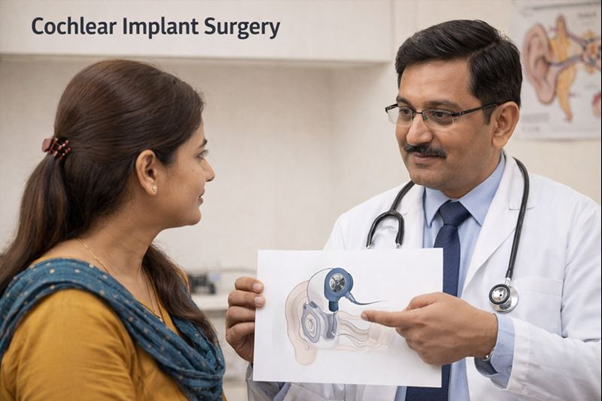
    Cochlear implants have transformed the lives of individuals with severe to profound hearing loss, offering access to sound when hearing aids are no longer effective. But the success of the implant does not rely solely on the surgical process. The journey toward hearing restoration is a collaborative, long-term effort, and audiologists play a central role in this process. Their expertise guides patients through activation, adjustment, rehabilitation, and ongoing monitoring, ensuring optimal hearing outcomes.

    After cochlear implant surgery, the work of an audiologist begins—providing programming, therapy, training, and support that determine the effectiveness of the device and the user’s long-term success.

    Many patients receiving implants through the best ENT hospital in Vadodara also benefit from comprehensive post-surgical care led by skilled audiologists who understand the complexities of auditory rehabilitation.

    The Audiologist’s Role During Initial Activation

    Once a patient has healed from surgery, usually after two to four weeks, the audiologist schedules the initial activation of the cochlear implant. This is the first step toward sound perception.

    Key responsibilities during activation include:

    • Connecting the external processor to the internal electrode array
    • Programming basic settings to introduce sound gradually
    • Teaching the patient how to use and care for the device
    • Helping the patient manage expectations

    The initial experience may be overwhelming, as the brain receives electrical signals it has never processed before (or forgotten how to process). Audiologists help ensure activation is comfortable and customized to individual hearing needs.

    Programming and Mapping for Optimal Hearing

    Mapping is the process of adjusting the cochlear implant’s settings to provide a clear, comfortable hearing experience. Since each patient responds differently to electrical stimulation, audiologists must fine-tune the device through repeated programming sessions.

    Mapping involves:

    • Determining the threshold (softest audible sound)
    • Setting comfortable loudness levels
    • Balancing sound frequencies
    • Customizing input levels for speech clarity

    These adjustments occur regularly during the first year and continue annually thereafter. Without expert mapping, the implant may not deliver the intended benefits.

    Hearing Rehabilitation and Auditory Training

    Learning to hear with a cochlear implant is not instantaneous—it requires ongoing auditory therapy. The brain must adapt to new types of sound input, and audiologists guide patients through this process using structured rehabilitation programs.

    Audiologists assist by:

    • Developing personalized listening exercises
    • Helping patients understand speech patterns
    • Training the brain to differentiate sounds
    • Working with children to establish speech and language skills
    • Monitoring progress and adapting strategies

    Rehabilitation is especially critical for children or individuals who lost hearing at an early age. Without consistent auditory training, the implant’s potential may not be fully realized.

    Counseling and Emotional Support

    Adjusting to life with a cochlear implant can be emotionally challenging. Patients may experience frustration, confusion, or self-consciousness as they relearn to hear. Audiologists provide much-needed guidance to help them navigate these changes.

    Counseling may include:

    • Setting realistic expectations
    • Addressing emotional fatigue
    • Encouraging consistent device use
    • Supporting family members in the process
    • Teaching coping strategies

    A strong support system is vital for successful hearing adaptation, and audiologists serve as both technical and emotional guides throughout the journey.

    Monitoring Speech and Language Development in Children

    For children, cochlear implants are often recommended as early as 9–12 months of age to support speech and language development. Audiologists play a crucial role in tracking progress and intervening when needed.

    Their responsibilities include:

    • Evaluating speech clarity
    • Assessing language comprehension
    • Recommending speech therapy
    • Collaborating with teachers and therapists
    • Ensuring the implant supports age-appropriate milestones

    Early and continuous audiological support helps children build communication skills essential for education, social interaction, and long-term development.

    Device Troubleshooting and Technical Support

    Cochlear implants are sophisticated electronic devices that require regular monitoring and occasional troubleshooting. Audiologists are trained to recognize and resolve technical issues quickly.

    Common support duties include:

    • Diagnosing sound quality problems
    • Replacing worn or damaged parts
    • Updating software and firmware
    • Checking electrode functionality
    • Ensuring the external processor fits comfortably

    Proper maintenance extends the life of the implant system and ensures consistent performance.

    Collaboration With ENT Surgeons and Other Specialists

    Successful cochlear implant outcomes depend on seamless collaboration among various healthcare professionals. Audiologists work closely with ENT surgeons, speech therapists, pediatricians, and psychologists to provide holistic care.

    Collaborative tasks involve:

    • Sharing diagnostic results
    • Coordinating follow-up treatments
    • Adjusting therapy plans as needed
    • Monitoring medical or anatomical changes affecting hearing

    This multidisciplinary approach ensures that every aspect of the patient’s hearing health is addressed.

    Long-Term Follow-Up Care

    Cochlear implant care does not end after the first year. Long-term follow-ups are essential to ensure the device continues to meet the patient’s evolving hearing needs.

    Long-term care includes:

    • Annual mapping sessions
    • Periodic hearing assessments
    • Hardware upgrades
    • Replacement of accessories
    • Monitoring for age-related changes

    These ongoing evaluations help maintain clear, comfortable hearing throughout the patient’s life.

    Supporting Adults With Late-Onset Hearing Loss

    Adults who lose hearing due to aging, trauma, or illness often struggle emotionally and socially. Audiologists help these patients transition smoothly to life with a cochlear implant.

    Support includes:

    • Training in everyday listening environments
    • Improving phone and media communication
    • Helping them participate confidently in conversations
    • Reducing isolation by restoring hearing ability

    With proper guidance, adults can regain independence and engagement in daily activities.

    Helping Patients Adjust to Environmental Sounds

    After activation, environmental sounds may seem unfamiliar or overwhelming. Audiologists help patients acclimate gradually by:

    Providing training for:

    • Distinguishing speech from background noise
    • Identifying everyday sounds (doorbells, footsteps, alarms)
    • Adjusting to noisy environments like restaurants
    • Improving listening comfort in group settings

    This real-world listening support is essential for functional hearing.

    Ensuring Safety and Device Protection

    Patients must follow specific precautions to protect their cochlear implant. Audiologists educate them about safety and maintenance.

    Important guidelines include:

    • Avoiding static electricity exposure
    • Keeping the external processor dry
    • Handling batteries safely
    • Using protective accessories during sports
    • Storing equipment properly

    Knowledge of these safety measures prevents damage and extends the device’s lifespan.

    Updating for Technological Advancements

    Cochlear implant technology continues to evolve rapidly. Audiologists keep patients informed about upgrades that can significantly improve sound quality, comfort, and usability.

    Upgrades may involve:

    • New processors
    • Improved microphones
    • Advanced noise reduction features
    • Wireless connectivity options

    These enhancements help patients benefit from the latest innovations without needing additional surgery.

    Empowering Families and Caregivers

    The support of loved ones is crucial, especially for children or elderly individuals. Audiologists educate families on helping the patient practice listening exercises, maintain the device, and encourage consistent use.

    Family guidance includes:

    • Teaching communication strategies
    • Supporting rehabilitation at home
    • Recognizing signs of progress or difficulty
    • Creating supportive listening environments

    Empowered families contribute greatly to successful hearing outcomes.

    Conclusion

    Audiologists play an essential role in the journey that follows cochlear implantation. From initial activation and precise programming to rehabilitation, monitoring, emotional support, and long-term care, they ensure that patients receive the full benefit of their device. Their expertise transforms electrical signals into meaningful sound, helping individuals regain communication abilities and improve their quality of life. With their guidance, both children and adults can adapt to the world of sound with confidence, clarity, and ongoing support.

  • Proven Strategies for Healthcare Debt Collection Success in 2025

    Proven Strategies for Healthcare Debt Collection Success in 2025

    In the evolving landscape of healthcare, debt collection remains a critical challenge for providers aiming to maintain financial stability while ensuring patient satisfaction. As we move into 2025, healthcare organizations must adopt proven strategies that balance effective debt recovery with compassionate patient engagement. Successful healthcare debt collection hinges on transparency, technology integration, personalized communication, and regulatory compliance.

    One of the most important strategies is fostering clear and transparent communication from the outset of care. Patients who understand their financial obligations upfront are more likely to make timely payments. Healthcare providers should prioritize educating patients about insurance coverage details, out-of-pocket costs, and payment options before services are rendered. This proactive approach reduces confusion and builds trust, which can significantly improve collection rates.

    The integration of advanced technology plays a pivotal role in optimizing collections processes. Automated billing systems equipped with artificial intelligence (AI) can streamline invoicing and reminders while reducing human error. AI-powered analytics also help identify high-risk accounts early by analyzing payment patterns and credit histories, allowing providers to tailor follow-up actions accordingly. Moreover, digital payment platforms offering flexible options such as installment plans or mobile payments enhance convenience for patients and increase the likelihood of prompt payments.

    Personalized communication is another cornerstone of successful Healthcare Debt Collection in 2025. Generic letters or calls often fail to engage patients effectively; instead, customized outreach that considers individual circumstances fosters better responses. For instance, empathetic phone conversations conducted by trained staff who understand financial hardships can encourage cooperative repayment arrangements without damaging patient relationships. Additionally, multilingual support services ensure inclusivity for diverse populations.

    Compliance with evolving regulations continues to be essential in avoiding legal pitfalls during collections efforts. The healthcare industry is subject to strict privacy laws like HIPAA (Health Insurance Portability and Accountability Act), which mandate careful handling of patient information throughout the debt recovery process. Staying current with federal and state regulations protects organizations from costly fines while reinforcing ethical standards.

    Collaborating with third-party agencies specializing in medical debt recovery can further enhance success rates when internal resources are limited or cases become complex. Selecting reputable partners who adhere to fair practices ensures that collections efforts remain respectful yet effective.

    In conclusion, achieving success in healthcare debt collection in 2025 requires a multifaceted approach centered around transparency, technological innovation, personalized interactions, regulatory adherence, and strategic partnerships. By implementing these proven strategies thoughtfully, healthcare providers can improve cash flow without compromising the quality of patient care or trust-ultimately fostering a more sustainable financial future in an increasingly competitive environment.

  • The Power of Movement in Everyday Life

    The Power of Movement in Everyday Life

    Movement is a fundamental aspect of human existence, influencing nearly every part of daily life. From the moment we wake up to when we go to bed, our bodies engage in various forms of motion that support physical health, mental well-being, and social interaction. Walking to work, reaching for objects, or even simple gestures like smiling involve movement that connects us with our environment and others around us. The power of movement lies not only in its ability to sustain life but also in its capacity to enhance quality of life by promoting vitality and resilience.

    Physically, regular movement helps maintain muscle strength, flexibility, and cardiovascular health. Engaging in activities such as stretching or light exercise can reduce the risk of chronic diseases including diabetes and heart conditions. Movement stimulates blood circulation which nourishes tissues and organs while aiding in waste removal from the body. It also supports joint function by keeping them lubricated and mobile. Without consistent activity, muscles weaken and joints stiffen, leading to decreased mobility over time. Therefore, incorporating movement into everyday routines is essential for preserving independence as people age.

    Beyond physical benefits, movement plays a crucial role in mental health. Exercise triggers the release of endorphins-natural mood elevators-that help alleviate stress and anxiety. Even brief periods of activity can improve concentration and cognitive function by increasing oxygen flow to the brain. Movement offers an outlet for emotional expression; dancing or sports can serve as healthy ways to channel feelings constructively rather than suppressing them internally. Moreover, engaging with others through shared physical activities fosters social bonds which contribute positively to psychological well-being.

    Incorporating purposeful movement into daily life does not require intense workouts or long gym sessions; small changes such as taking stairs instead of elevators or walking during breaks add up significantly over time. Mindful movements like yoga encourage awareness of body posture and breathing patterns while enhancing relaxation responses within the nervous system. Technology often promotes sedentary habits but using it mindfully alongside active choices balances modern demands with bodily needs.

    Ultimately, embracing the power of movement enriches everyday experiences by connecting mind and body harmoniously while supporting overall health across multiple dimensions. Recognizing this connection encourages individuals to prioritize motion regardless of lifestyle constraints or age limitations because even modest efforts yield meaningful improvements that accumulate steadily throughout a lifetime journey toward wellness.