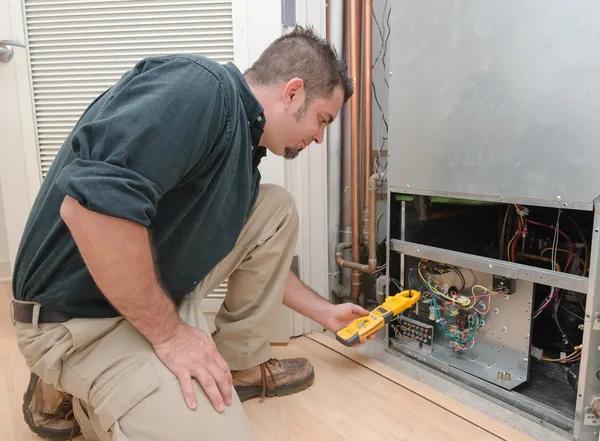
Short cycling is a common issue that can significantly impact the efficiency and longevity of your HVAC system. This problem occurs when your air conditioning or heating unit turns on and off more frequently than it should, without completing a full cycle. Not only does short cycling lead to increased wear and tear on the system, but it also results in higher energy bills and reduced comfort levels within your home.
One of the primary causes of short cycling is an improperly sized HVAC unit. If the system is too large for your space, it will cool or heat the area quickly, shutting off before completing a full cycle. Conversely, if it’s too small, it may struggle to maintain the desired temperature, leading to frequent starts and stops as it tries to keep up with demand. Ensuring that you have a correctly sized unit for your home is crucial in preventing this issue.
Another common cause of short cycling is restricted airflow due to clogged filters or blocked vents. When airflow is hindered, the system has to work harder to circulate air throughout your home, causing it to turn on and off repeatedly. Regularly checking and replacing air filters every one to three our website months can help maintain proper airflow and prevent short cycling.
Thermostat issues can also contribute significantly to short cycling problems. A malfunctioning thermostat might inaccurately read room temperatures or fail to communicate effectively with the HVAC system. Ensuring that your thermostat is functioning correctly by calibrating it regularly or replacing outdated models with modern ones can mitigate these issues.
Refrigerant leaks are another potential culprit behind short cycling in air conditioning systems specifically.