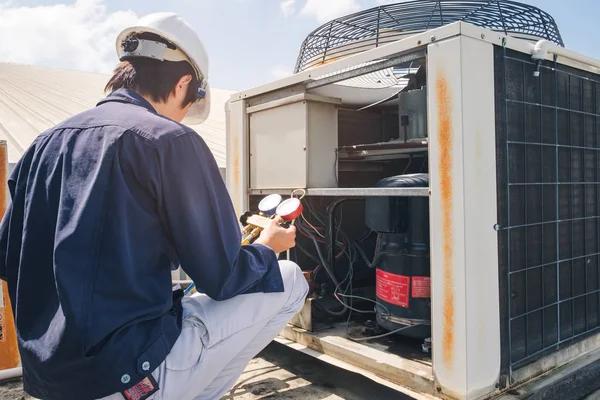
During extreme weather conditions, the demand for HVAC (Heating, Ventilation, and Air Conditioning) services often surges as systems are pushed to their limits. HVAC companies play a crucial role in ensuring comfort and safety during these times by providing emergency repair services. Understanding how these companies handle such repairs is essential for both consumers and those interested in the industry.
When extreme weather strikes, whether it’s a blistering heatwave or a frigid cold snap, HVAC systems can fail due to increased operational stress. To manage this demand effectively, HVAC companies prioritize emergencies based on severity and impact on safety. For instance, a complete system breakdown during freezing temperatures that affects vulnerable populations like the elderly or young children is given precedence over less critical issues.
A well-organized dispatch system is vital for handling emergencies efficiently. Many companies employ advanced software solutions to track service requests in real-time and allocate resources accordingly. Technicians are dispatched based on proximity to the job site and expertise required for specific repairs. This strategic approach minimizes response times and ensures that help arrives promptly where it’s most needed.
Technicians working under such conditions must be highly skilled and adaptable. They are trained to diagnose problems quickly despite potentially adverse check full article working environments imposed by extreme weather conditions themselves—whether it’s sweltering attics or icy basements—and carry out necessary repairs with minimal disruption. Companies ensure their staff remain updated with ongoing training sessions focusing on new technologies and troubleshooting methods relevant to various HVAC systems.
In preparation for peak seasons of extreme weather, many HVAC firms also stockpile critical spare parts known to fail under stress—such as capacitors or compressors—to prevent delays caused by supply chain disruptions common during high-demand periods. This foresight allows technicians immediate access to necessary components without waiting days for deliveries while clients endure uncomfortable indoor climates.