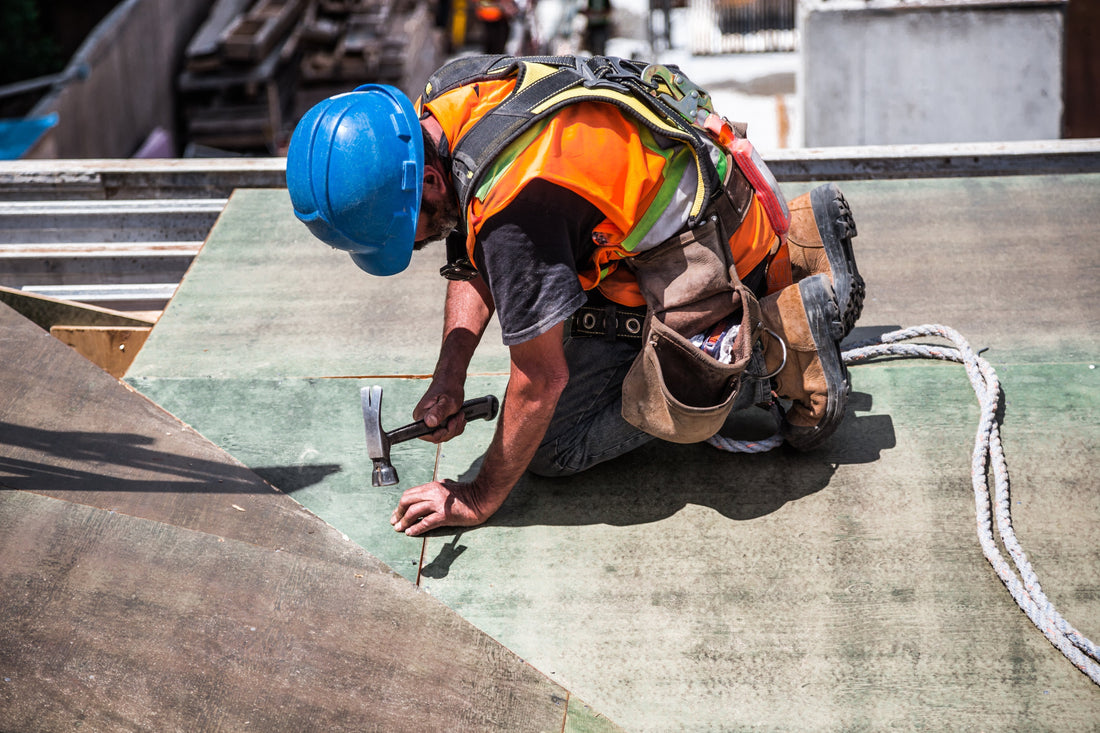
A roofing contractor plays a critical role in ensuring safety standards are upheld throughout every phase of a roofing project. Roofing work inherently involves risks due to heights, heavy materials, and the use of specialized tools. To maintain safety, contractors begin by thoroughly assessing the job site before any physical work starts. This assessment helps identify potential hazards such as unstable surfaces, overhead power lines, or weather conditions that could affect worker safety. By understanding these risks early on, contractors can plan appropriate measures to mitigate them effectively.
Training is another fundamental aspect of maintaining safety standards for roofing contractors. Workers receive comprehensive instruction on how to handle equipment properly, recognize hazards, and follow established protocols designed to prevent accidents. Regular refresher courses ensure that all team members remain current with industry best practices and regulatory requirements. This ongoing education fosters a culture of safety awareness and accountability among employees.
Proper use of personal protective equipment (PPE) is strictly enforced by reputable roofing contractors. Helmets, harnesses, non-slip footwear, gloves, and eye protection are standard gear worn by workers during operations on rooftops or around construction zones. Contractors ensure that PPE fits correctly and is maintained in good condition so it can provide maximum protection against falls or injuries caused by sharp objects or debris.
In addition to individual precautions, structural safeguards are implemented at job sites to reduce risks further. These include installing guardrails along roof edges where possible and using secure scaffolding systems when working at elevated heights. Safety nets may also be employed beneath work areas as an added layer of fall prevention. Such engineering controls help create safer environments for workers performing physically demanding tasks under challenging conditions.
Compliance with local regulations and industry standards forms find the source here foundation upon which roofing contractors build their safety programs. They stay informed about changes in laws related to construction safety and incorporate these into their operational procedures promptly. Inspections conducted both internally and by external agencies verify adherence to these rules while identifying areas for improvement.
Communication plays an essential role in sustaining high levels of workplace safety throughout a project’s duration. Contractors hold regular meetings with their teams to discuss progress updates along with any new hazards encountered onsite. Open dialogue encourages workers to report unsafe situations immediately without fear of reprisal so corrective actions can be taken swiftly.
By combining careful planning, thorough training, proper equipment use, structural protections, regulatory compliance, and clear communication channels, roofing contractors maintain robust safety standards that protect their workforce from injury while ensuring projects proceed smoothly from start to finish without unnecessary delays or accidents occurring along the way.