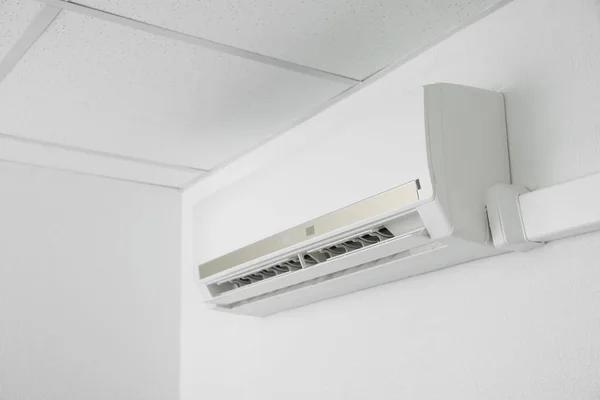
Modern HVAC installations have significantly evolved to enhance energy efficiency, providing both environmental benefits and cost savings for homeowners and businesses. Advances in technology have made it possible to design systems that use less energy while maintaining optimal indoor comfort. One key development is the integration of variable speed compressors and fans within air conditioning units. Unlike traditional systems that operate at a fixed speed, these components adjust their output based on real-time demand, reducing unnecessary electricity consumption during milder conditions. This adaptability not only lowers utility bills but also extends the lifespan of the equipment by minimizing wear and tear.
Another important innovation is view the site widespread adoption of smart thermostats. These devices learn user habits and preferences over time, enabling precise control over heating and cooling schedules. By automatically adjusting temperatures when spaces are unoccupied or during off-peak hours, smart thermostats prevent wasted energy without sacrificing comfort. Many models can be controlled remotely via smartphone apps, allowing users to optimize settings even when away from home or office.
The use of high-efficiency heat pumps has become increasingly popular as well. Heat pumps transfer heat rather than generate it by burning fuel, making them more efficient than conventional furnaces or boilers. Modern heat pumps can provide both heating and cooling functions with minimal energy input, especially when paired with advanced refrigerants that offer better thermal performance with lower environmental impact.
Proper insulation and ductwork sealing are critical components often addressed during HVAC installation to improve overall system efficiency. Leaky ducts allow conditioned air to escape before reaching intended rooms, forcing the system to work harder to maintain desired temperatures. Sealing gaps and insulating ducts reduce such losses significantly, ensuring more consistent airflow distribution throughout a building.
Zoning systems represent another method for enhancing energy efficiency in modern HVAC setups. By dividing a property into separate zones controlled independently by multiple thermostats or dampers within ductwork, occupants can avoid heating or cooling unused areas unnecessarily. This targeted approach optimizes resource usage according to specific needs in different parts of a structure.
Energy recovery ventilators (ERVs) are sometimes incorporated into new installations as well; they exchange stale indoor air with fresh outdoor air while transferring heat between incoming and outgoing streams to minimize temperature loss during ventilation processes.
Combining these advancements results in HVAC installations that deliver superior performance with reduced environmental footprint compared to older models. As awareness about sustainability grows alongside rising energy costs, investing in modern HVAC solutions offers practical benefits through improved comfort levels coupled with substantial long-term savings on utility expenses.