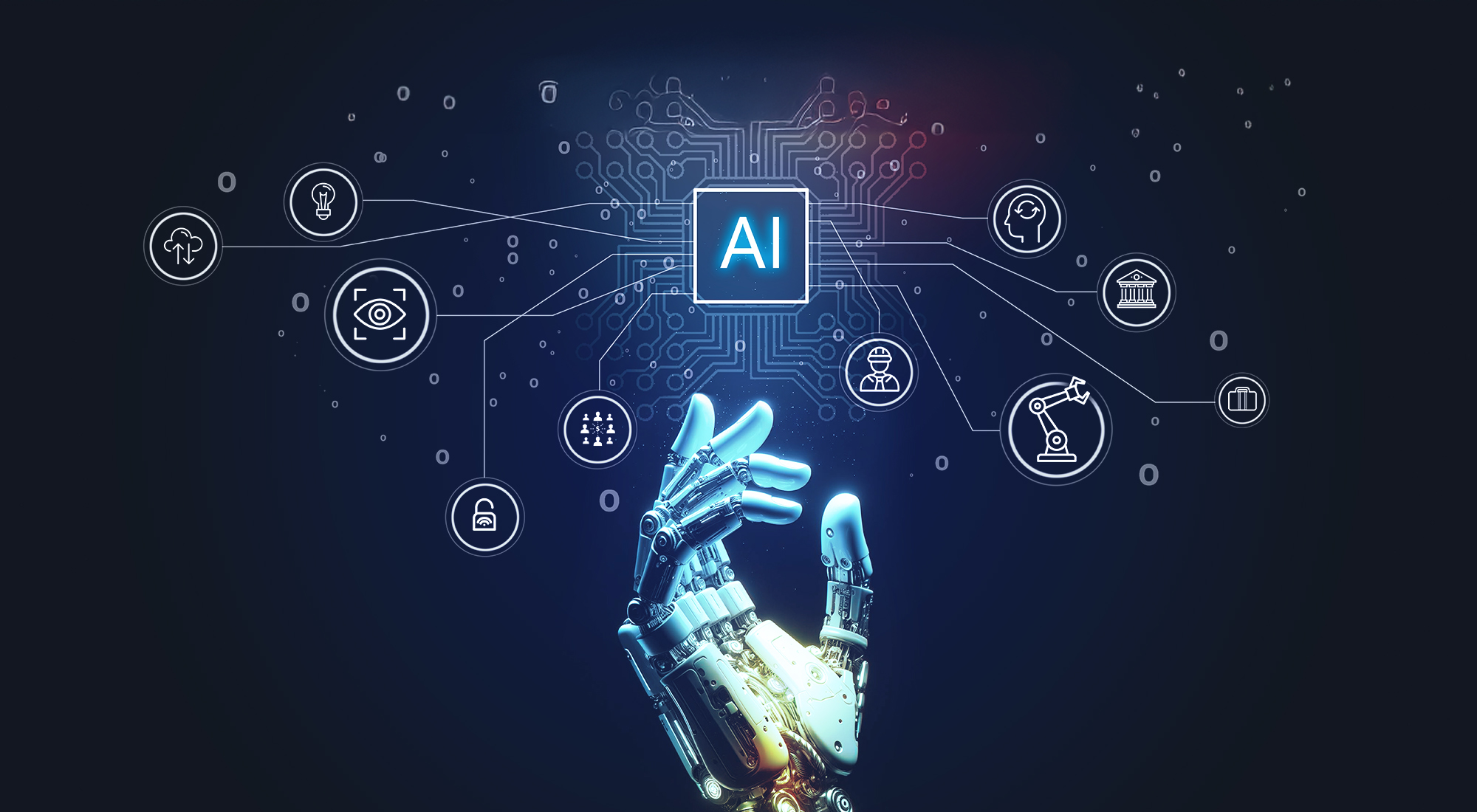
In today’s rapidly evolving business landscape, effective internal communication is crucial for organizational success. Artificial Intelligence (AI) has emerged as a transformative force, significantly enhancing the way companies communicate within their teams and departments. By integrating AI-driven tools and technologies, businesses can streamline communication processes, foster collaboration, and improve overall productivity.
One of the primary ways AI enhances internal business communication is through intelligent automation. Routine tasks such as scheduling meetings, sending reminders, or managing email responses can be automated using AI-powered virtual assistants and chatbots. This automation reduces the administrative burden on employees, allowing them to focus on more strategic activities while ensuring that important communications are timely and efficient.
Moreover, AI facilitates real-time language translation and transcription services. In global organizations where employees speak different languages or work across various time zones, language barriers often hinder effective communication. AI-driven translation tools enable seamless conversations by instantly converting messages into multiple languages with high accuracy. Similarly, automatic transcription services convert spoken words into text during meetings or conference calls, making information easily accessible for future reference and for team members who could not attend live sessions.
Another significant advantage of AI in internal communication is its ability to analyze vast amounts of data generated from emails, chats, project management platforms, and other digital interactions. Natural Language Processing (NLP) algorithms can identify sentiment trends within communications-highlighting areas where employee morale might be low or where misunderstandings frequently occur. This insight allows managers to proactively address issues before they escalate into larger problems.
AI also supports personalized communication by tailoring messages based on individual preferences or roles within the organization. Instead of generic announcements sent to all employees regardless of relevance, AI systems can target specific groups with customized content that resonates more effectively with their needs and responsibilities. This targeted approach increases engagement levels and ensures critical information reaches the right audience promptly.
Collaboration platforms enhanced with AI capabilities further improve teamwork by suggesting relevant documents or experts based on ongoing projects or discussions. These intelligent recommendations save time otherwise spent searching for resources or contacts manually while fostering knowledge sharing across departments.
Additionally, voice recognition technology powered by AI enables hands-free interaction with devices during multitasking scenarios common in modern workplaces. Employees can dictate notes or commands without interrupting their workflow-enhancing efficiency especially in environments such as manufacturing floors or healthcare facilities where manual input may be impractical.
Despite these benefits, implementing AI in internal communication requires careful consideration regarding data privacy and ethical use to maintain trust among employees. Transparent policies about how conversational data is collected and used must accompany any deployment of AI tools.
In conclusion, Artificial Intelligence profoundly enhances internal business communication by automating routine tasks; breaking down language barriers; providing actionable insights through sentiment analysis; delivering personalized messaging; facilitating smarter collaboration; and enabling hands-free interactions. Organizations embracing these advancements are better positioned to cultivate a connected workforce capable of responding agilely to challenges in an increasingly complex business environment.