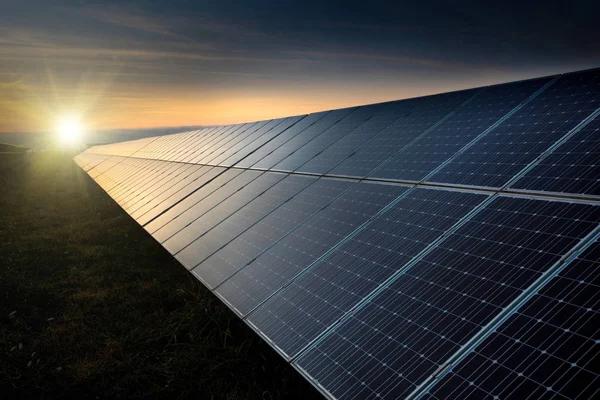
As the world continues to grapple with the pressing need for sustainable energy solutions, solar power stands out as a beacon of hope. Harnessing the sun’s abundant energy has proven to be both environmentally friendly and economically viable. However, one of the challenges in maximizing solar power output lies in selecting and upgrading to the right solar panels. With advancements in technology and an increasing variety of options, choosing the right panel upgrade can significantly enhance efficiency and output.
Solar panels have evolved considerably over the past few decades. Initially, they were bulky, expensive, and offered limited efficiency. Today’s market offers a range of high-efficiency panels that are learn more here affordable than ever before. Upgrading your existing system with these advanced panels can lead to substantial increases in energy production without requiring additional space or infrastructure changes.
The first step towards increasing solar power output is understanding your current system’s limitations. Older models may not be as efficient at converting sunlight into electricity compared to newer technologies like monocrystalline or polycrystalline silicon cells. Monocrystalline panels are known for their higher efficiency rates due to their construction from a single crystal structure which allows electrons greater freedom to move around, thus generating more electricity.
Moreover, improvements such as bifacial technology allow panels to capture sunlight from both sides, effectively boosting overall energy generation by up to 20%. This innovation is particularly beneficial when installed in areas where reflective surfaces like water or light-colored roofs can bounce sunlight onto the back side of the panel.
Another consideration when upgrading is temperature coefficient – a measure of how well a panel performs under high temperatures. Panels with lower temperature coefficients tend to maintain better performance on hot days compared to those with higher coefficients which might suffer reduced efficiency under similar conditions.
Additionally, integrating smart technologies such as microinverters or power optimizers can also play a crucial role in enhancing solar power output during an upgrade. These devices help manage shading issues by optimizing each panel’s performance individually rather than treating all panels uniformly across an array.
When contemplating an upgrade, it’s essential not only to focus on immediate gains but also long-term benefits including durability and warranty terms offered by manufacturers for new products versus older models being replaced.