As the mild weather transitions into more extreme temperatures, many homeowners find themselves reaching for their air conditioning units to maintain comfort. However, after a period of dormancy during milder seasons, air conditioners may require attention to ensure they function effectively and efficiently. Recognizing when AC repair is needed is crucial in preventing minor issues from escalating into major problems.
One of the first signs that your air conditioner might need repair is unusual noises. After months of inactivity, components such as fans or motors can develop issues like loosened parts or debris accumulation. If you hear grinding, squealing, or banging sounds when you turn on your unit, it’s advisable to call a professional technician to diagnose and fix the problem before it leads to more significant damage.
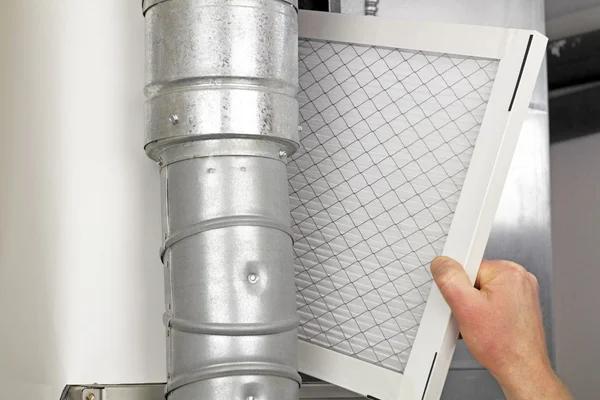
Another important aspect to monitor is airflow. During mild weather periods when your AC isn’t in use, dust and debris can accumulate within ducts and filters. This buildup can obstruct airflow once the system is operational again. Insufficient airflow not only reduces cooling efficiency but also strains the system unnecessarily. Regular maintenance checks should include cleaning or replacing filters and ensuring that vents are unobstructed.
Temperature inconsistency throughout your home can also indicate an issue with check full article your AC unit after a period of disuse. If certain rooms are significantly warmer than others despite having similar settings on thermostats, there could be underlying problems with ductwork or even refrigerant levels. Addressing these discrepancies early with professional help will ensure balanced cooling across all areas of your home.
A sudden spike in energy bills upon using your AC again might also signal inefficiencies within the system that developed during its downtime. Components like compressors may have lost some functionality due to wear over time without regular use; this often results in increased energy consumption as the unit struggles to cool effectively.
Moreover, unpleasant odors emanating from vents when you switch on your air conditioner should not be ignored. Musty smells could signify mold growth inside ducts caused by moisture accumulation during inactive months while burning odors might indicate electrical issues requiring immediate attention from experts.
Lastly, if you notice water pooling around any part of the HVAC system post-mild weather usage—particularly near indoor units—it’s essential to investigate further since this could point towards blocked drainage pipes or refrigerant leaks which compromise both performance and safety standards if left unchecked for too long.
In conclusion, being vigilant about these warning signs ensures timely repairs thereby extending longevity while maintaining optimal performance levels throughout hotter seasons ahead—ultimately saving costs associated with extensive damages requiring comprehensive replacements later down line!