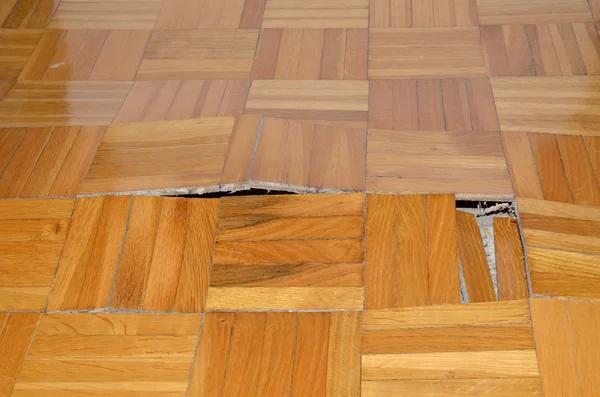
Water damage can strike at any moment, often without warning, and its effects can be devastating. Whether caused by natural disasters like floods or internal issues such as burst pipes, water intrusion into a property requires immediate attention to prevent further deterioration. Certified professional water damage restoration services play a crucial role in mitigating these impacts and restoring affected areas to their original condition.
The process of water damage restoration is complex and demands expertise that only certified professionals possess. These experts are trained to assess the extent of the damage accurately, identify potential hazards such as mold growth, and implement effective strategies for complete restoration. They utilize advanced equipment and techniques designed specifically for dealing with various types of water-related damages.
One of the primary reasons for hiring certified professionals is their ability to respond quickly during emergencies. Time is of the essence when it comes to water damage; delays can lead to learn more here severe structural issues and health risks due to mold proliferation. Professional services ensure rapid response times, minimizing potential losses and safeguarding inhabitants’ well-being.
Certified technicians follow a systematic approach beginning with thorough inspection and assessment. This stage involves identifying the source of water intrusion, categorizing the type of water involved—be it clean, gray, or black—and evaluating the extent of contamination. Such detailed assessments enable them to devise tailored plans that address specific needs effectively.
Once assessed, the next step involves removing standing water through extraction methods using high-powered pumps and vacuums. This phase is critical in preventing further absorption into porous materials like walls and floors which could compromise structural integrity if left unchecked.
Drying follows extraction where industrial-grade dehumidifiers are employed alongside air movers to eliminate moisture from affected areas comprehensively. Proper drying prevents conditions conducive for mold growth—a common aftermath if not addressed promptly—thereby averting potential health hazards associated with poor indoor air quality.