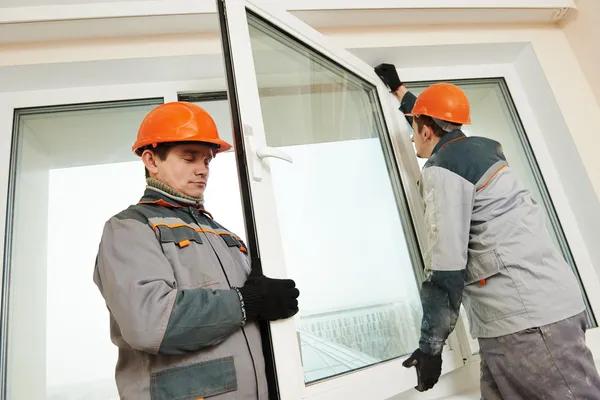
Installing impact resistant windows is an important investment for homeowners seeking enhanced protection, energy efficiency, and increased property value. These windows are designed to withstand strong winds, flying debris, and harsh weather conditions while providing security against break-ins. Before starting the installation process, it is essential to understand the benefits of impact resistant windows and how to ensure a proper fit that maximizes their effectiveness.
Impact resistant windows typically consist of laminated glass with a durable interlayer that holds the glass together even when shattered. This feature prevents dangerous shards from scattering and helps maintain the window’s structural integrity during storms or attempted forced entry. Choosing read the full article right type of window involves considering factors such as frame material, glazing options, and compliance with local building codes or hurricane standards if applicable in your area.
Preparation begins by measuring existing window openings accurately to ensure a precise fit for replacement units. It’s advisable to hire a professional installer familiar with impact resistant products because improper installation can compromise performance and void manufacturer warranties. The installer will remove old windows carefully without damaging surrounding walls or trim before fitting new frames securely into place using specialized fasteners designed for high wind resistance.
Sealing around the edges is crucial to prevent air leaks, water infiltration, and potential damage over time. High-quality caulking materials should be applied meticulously along all joints between the window frame and wall structure. Additionally, flashing tape may be used beneath exterior siding or stucco finishes as an extra barrier against moisture intrusion.
Once installed correctly, impact resistant windows not only provide safety but also improve energy efficiency by reducing heat transfer through advanced glazing technologies such as low-emissivity coatings or argon gas fills between panes. These features help maintain consistent indoor temperatures year-round while lowering utility bills.
Regular maintenance includes inspecting seals periodically for cracks or gaps that could diminish protective qualities over time. Cleaning should be done gently using non-abrasive solutions recommended by manufacturers to avoid scratching laminated surfaces.
In summary, installing impact resistant windows requires careful planning from selecting appropriate products through professional installation techniques focused on durability and weatherproofing measures. Homeowners benefit from improved security, comfort enhancements due to thermal performance improvements, and peace of mind knowing their home can better withstand extreme conditions without sacrificing aesthetic appeal or functionality.