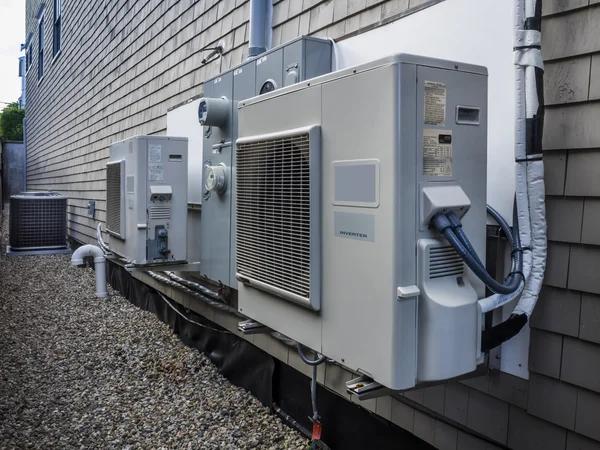
Commercial refrigeration plays a crucial role in various industries, from food service to pharmaceuticals, and staying updated on the latest trends is essential for business owners aiming to maintain efficiency and reduce costs. One significant trend gaining momentum is the shift towards energy-efficient systems. With rising electricity prices and increasing environmental regulations, businesses are investing in refrigeration units that consume less power while maintaining optimal performance. Advances in compressor technology, improved insulation materials, and smarter temperature controls contribute to lower energy consumption, helping companies reduce their carbon footprint and operational expenses simultaneously.
Another important development involves the integration of IoT (Internet of Things) technology into Commercial Refrigeration equipment. Smart refrigerators equipped with sensors can monitor temperature fluctuations, humidity levels, and system performance in real time. These devices send alerts when anomalies occur or maintenance is needed, minimizing downtime and preventing costly spoilage. For business owners managing multiple locations or large inventories, centralized monitoring platforms provide valuable data analytics that enhance decision-making processes related to inventory management and equipment maintenance schedules.
Sustainability remains a driving force behind many innovations in commercial refrigeration. The industry has seen a growing adoption of natural refrigerants such as CO2 and hydrocarbons instead of traditional hydrofluorocarbons (HFCs), which have higher global warming potential. These eco-friendly alternatives not only comply with stricter environmental standards but also improve overall system efficiency. Additionally, modular refrigeration systems allow for scalable solutions tailored to specific business needs while reducing waste during installation or upgrades.
The design aspect of commercial refrigerators is evolving as well to meet both functional requirements and aesthetic preferences. Sleeker units with transparent doors enhance product visibility without compromising insulation quality or energy efficiency. This feature benefits retail environments by attracting customers’ attention while keeping items at safe temperatures.
Maintenance practices are also transforming due to technological advancements; predictive maintenance powered by machine learning algorithms anticipates potential failures before they happen based on historical data patterns rather than reactive repairs after breakdowns occur. This proactive approach extends equipment lifespan and optimizes resource allocation for repairs.
Finally, regulatory compliance continues to shape how businesses approach commercial refrigeration investments. New safety standards regarding refrigerant handling procedures demand proper training for staff members alongside updated equipment certifications.
In summary, embracing energy-efficient technologies, smart monitoring systems, sustainable refrigerants, innovative designs, predictive maintenance strategies, and adherence to evolving regulations will position businesses favorably within competitive markets reliant on reliable cold storage solutions. Staying informed about these trends empowers owners not only to safeguard their products but also to achieve cost savings while contributing positively toward environmental sustainability goals moving forward.